
Origins
Where these teas actually come from
Three mountain regions, a handful of growers, and a standard we do not bend.
We don’t run the farms. We spend our time finding the ones worth buying from.
Most tea sold in the West passes through three or four hands before it reaches a shelf, and by then nobody can tell you which slope it grew on, in what week, or how long it sat in a warehouse. That is the part we set out to fix — not by buying a farm, but by shortening the line between the person who processed a tea and the person who drinks it.
What that looks like in practice: we buy in small lots, direct, from organic growers in Taiwan’s mountain valleys and from independent artisanal processors in Fujian and Yunnan whose work never reaches a Western shelf. We taste before we commit. When a lot is gone, it is gone — we do not blend last year’s harvest into this year’s to keep a product page alive.
Every tea here earned its place on taste alone. Elevation and cultivar explain why it tastes the way it does; they were never the reason we bought it.
The regions
Three mountains, three arguments
Each region on this page corresponds to the Origin & Terroir block on every product it produces — same data, entered once.
Taiwan
High mountain, cold nights
Above about a thousand metres the growing season slows down, and a slow leaf is a thicker one. Nantou and Alishan give us the barely-oxidized oolongs the shop is built on — Qing Xin, Jin Xuan, Cui Yu — along with the roasted Dong Ding that made the region’s name. Persistent afternoon fog keeps the leaf soft; the elevation keeps it sweet.
Fujian, China
Rock, fog, and leafhoppers
The Wuyi cliffs grow tea in mineral-heavy rocky soil that shows up in the cup as something closer to stone than to fruit. It is also where the bug-bitten teas come from: leafhoppers feed on the young leaves, the plant answers with honeyed aromatics, and no amount of processing skill can fake it. Those lots are small and they are seasonal.
Yunnan, China
Old trees and yellow tea
Yunnan is where the tea plant is from, and it is still the only place we can reliably find genuine men huang yellow tea — a slow, smothered oxidation step that almost nobody bothers with any more because it takes days and forgives nothing. We also take a purple-leaf black and, in good years, a wild Shan Cha from trees nobody planted.
From the source
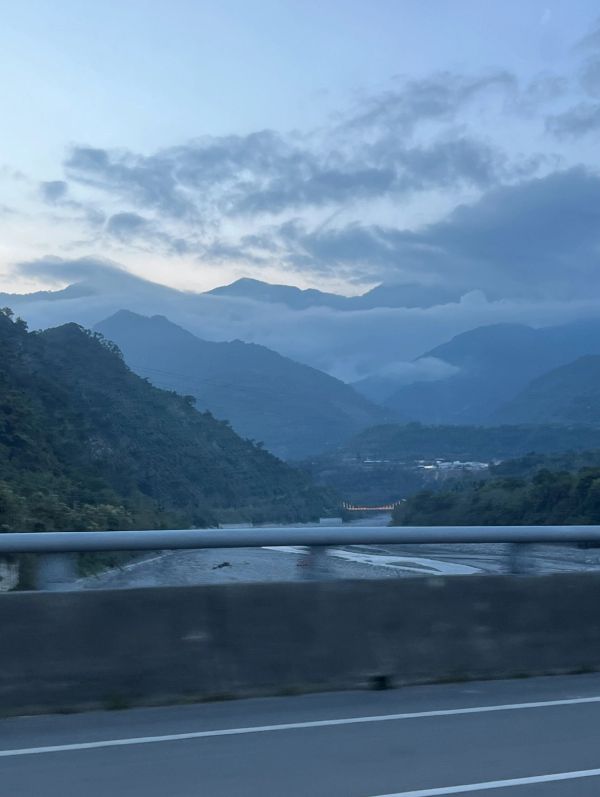
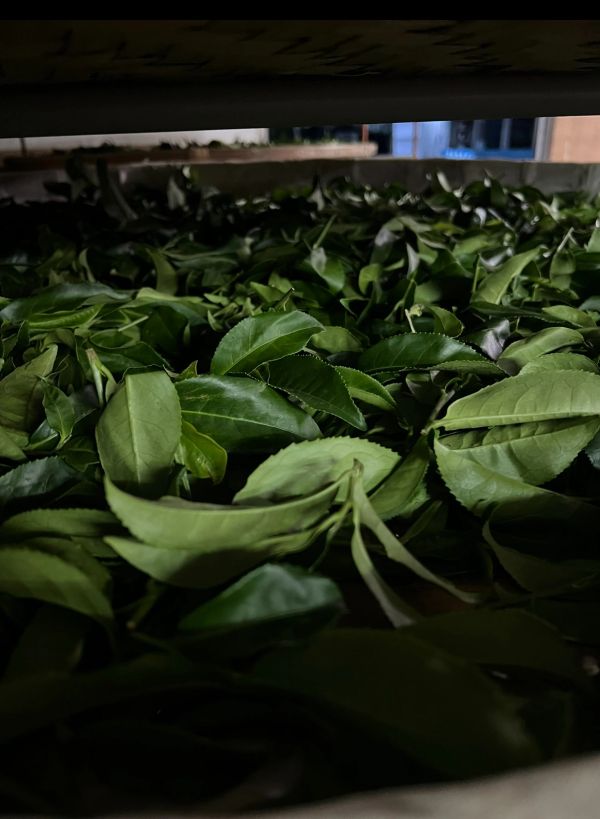
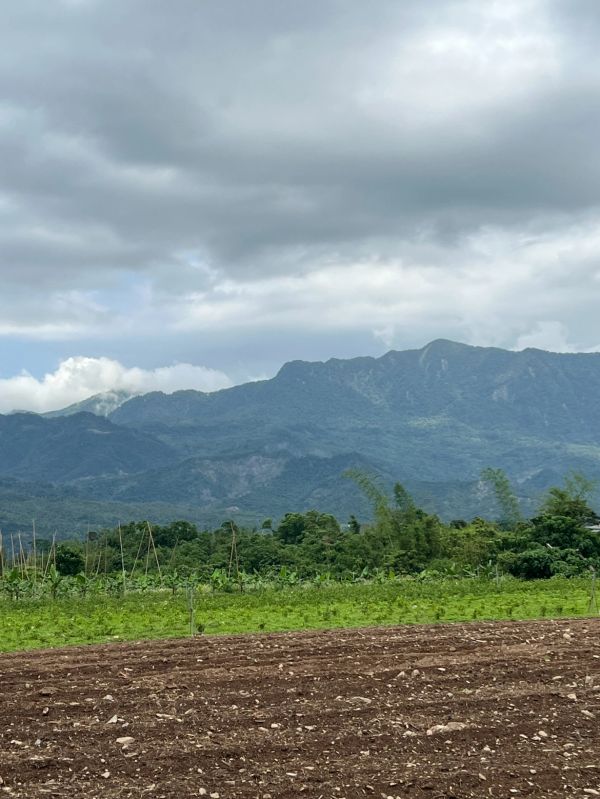
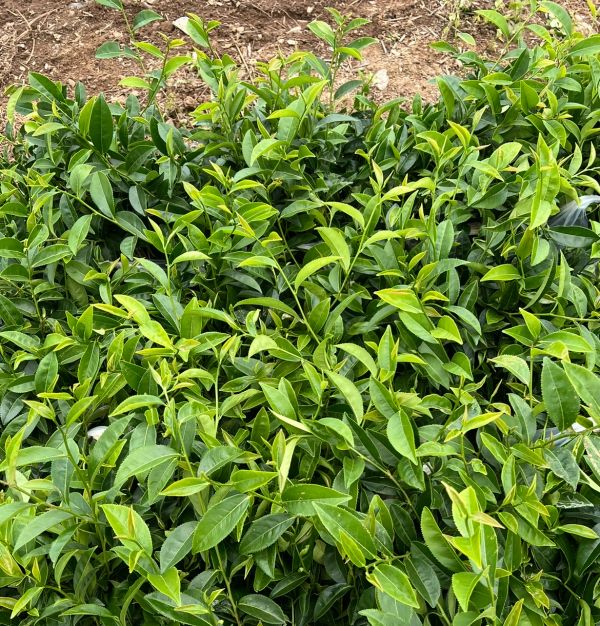
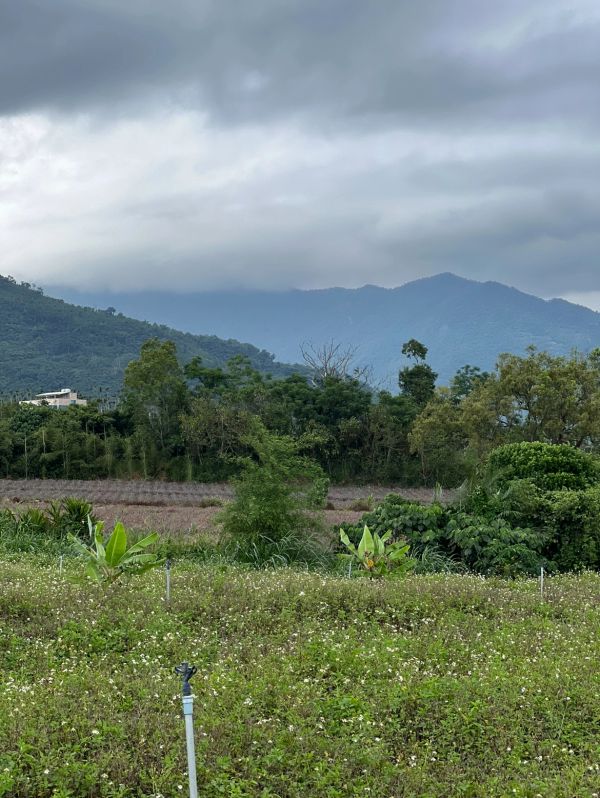
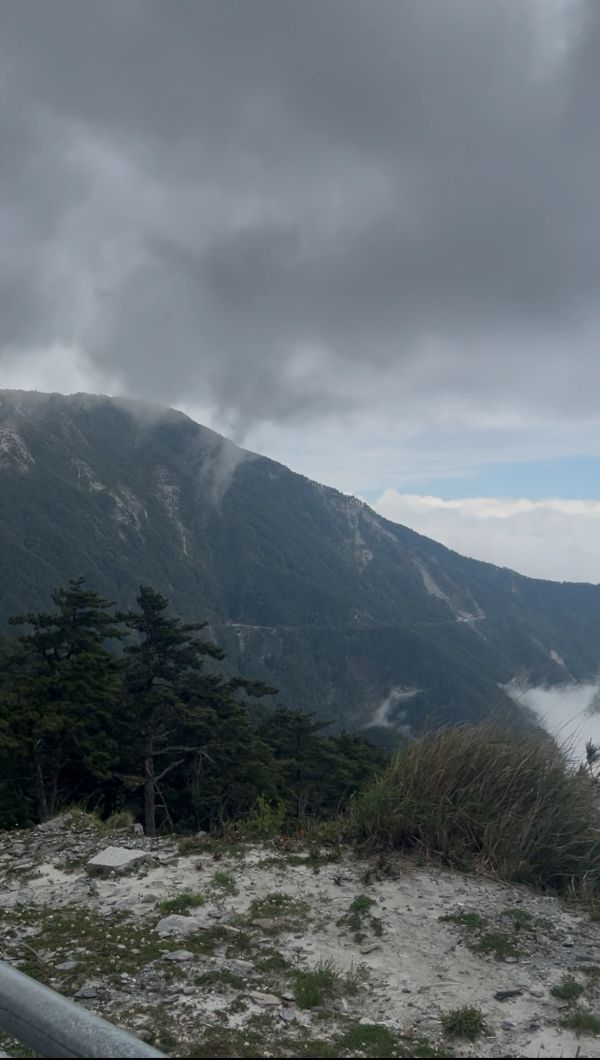
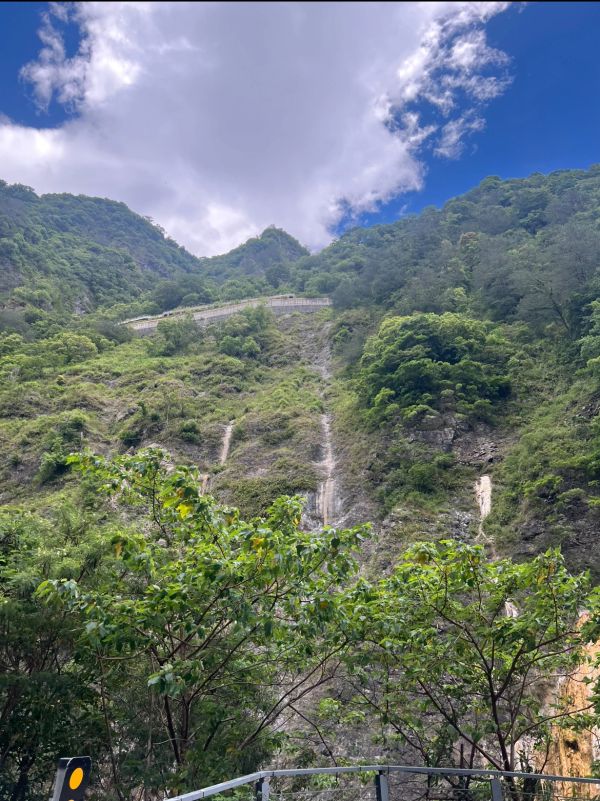
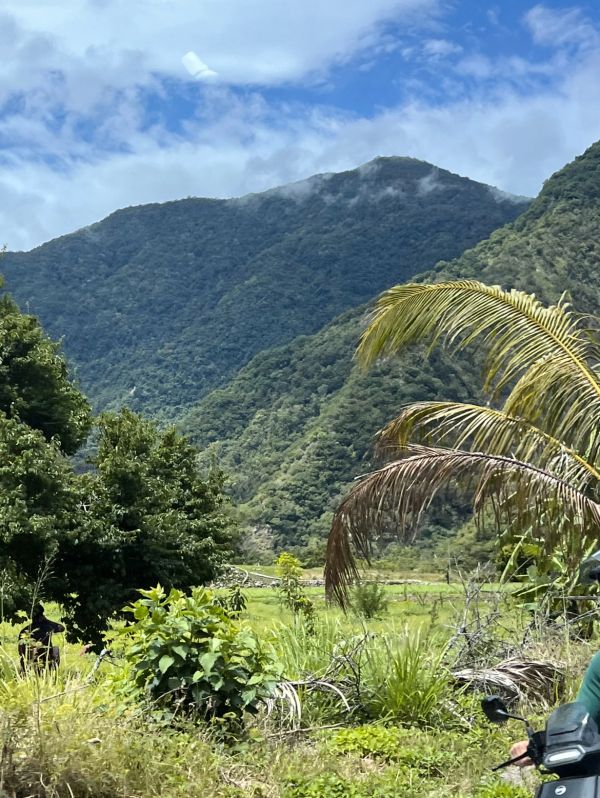
Our organic tea farms in Taitung, Taiwan
A beautiful remote mountain valley — one of the many clean locations we source from.
What we require
Old Mountain Tea Guarantee
Organically grown
Every lot, every season. We buy from growers who farm without synthetic pesticides or fertilisers, and we do not make exceptions when a harvest is short.
Single origin
One grower, one slope, one harvest window. Nothing here is blended to hit a price.
Small batch
We buy what a grower actually made. When a lot sells out we wait for next season rather than substitute.
Hand-harvested
Picked and processed by hand, by people who have done it for longer than we have been buying.
How a tea gets here
From slope to your kitchen
Sourcing trip
Timed to the flush, so we taste in the room where the tea was processed rather than months later.
Blind cupping
Everything is tasted against the previous season before we commit to a lot. Most samples do not make it.
Small-lot purchase
We buy the batch outright, at the grower’s price, and it ships whole rather than being pooled.
Packed to order
Sealed in small quantities as orders come in, so the tea ages in bulk storage, not on a shelf.
Start tasting
Six teas, three regions, one box
The Discovery Set draws from every region on this page — the fastest way to taste what elevation and processing actually do.
